


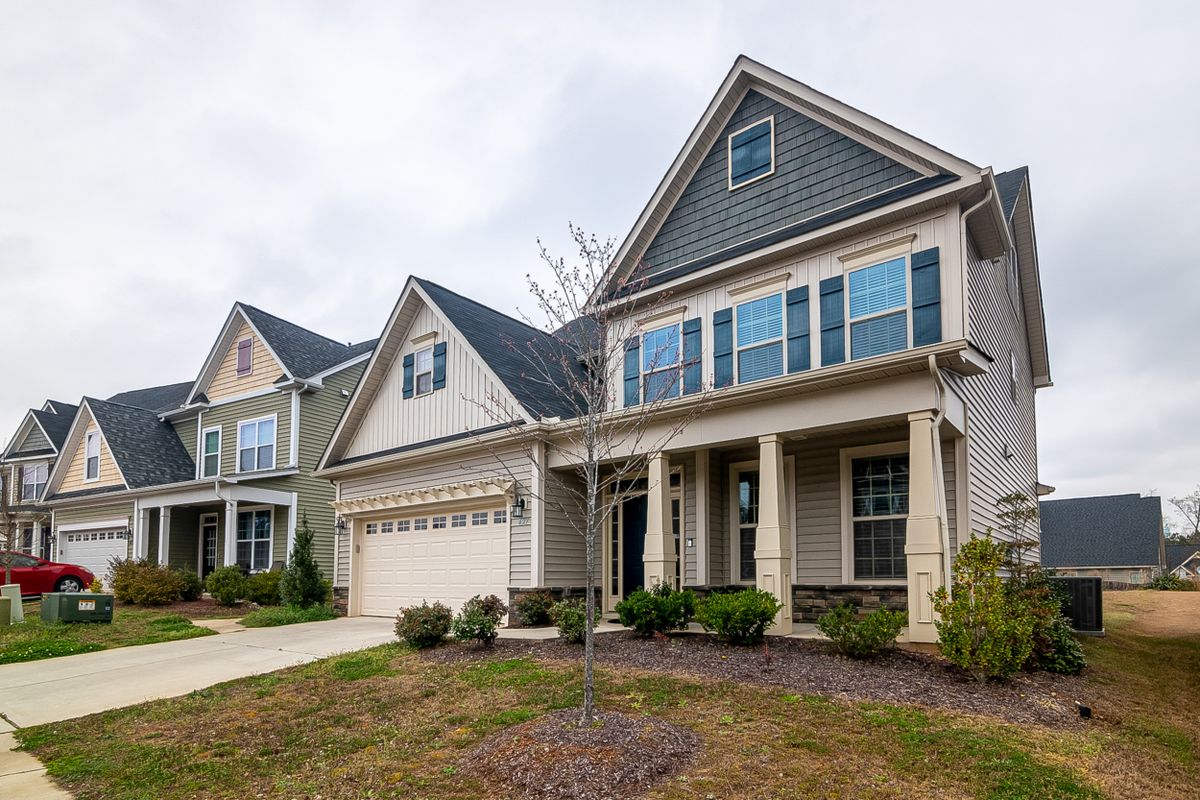
Photo: Curtis Adams / Pexels
Trying to decide whether to keep renting or finally buy a place in Sioux Falls? Here is the honest answer for 2026: renting is usually cheaper month to month right now, but buying almost always comes out ahead if you plan to stay put for a few years.
Quick Answer: In 2026, renting is typically cheaper month to month in Sioux Falls — the average rent is about $1,177, while owning the median roughly $310,000 home runs about $2,100 to $2,450 a month after taxes and insurance at today’s 7.18% mortgage rate. But renting builds no equity and your payment can climb every year. If you plan to stay three to five years or longer, buying usually wins.
The real numbers: renting vs. buying in Sioux Falls right now
Here is what the two paths actually cost today. Rent figures come from current Sioux Falls market data; the buy column assumes the median sale price of about $310,000 (Realtor Association of the Sioux Empire, October 2026) with a 30-year loan at the current 7.18% rate.
| Monthly cost | Renting | Buying (median home) |
|---|---|---|
| Housing payment | $1,177 (avg) to $1,551 (3-bed) | ~$1,680 to $1,890 principal & interest |
| Property taxes | $0 | ~$300 |
| Insurance | Renters: ~$15 to $20 | ~$120 |
| Mortgage insurance (PMI) | — | ~$0 to $115 |
| All-in monthly | ~$1,195 to $1,570 | ~$2,100 to $2,450 |
Buy estimate assumes 10% to 20% down, a 30-year fixed loan at 7.18%, Minnehaha County’s roughly 1.16% effective property tax rate, and typical insurance and PMI. Your real numbers will depend on your down payment, credit, and the specific home.
So month one, renting is the cheaper option in Sioux Falls — often by $700 to $1,000. That gap is the honest starting point most “just buy a house” advice skips. The case for buying is not that it costs less today; it is what happens to that money over the next several years.
When renting is the smarter move
Renting is not throwing money away when it buys you the right thing. It often makes more sense to keep renting if:
- You might move within the next two to three years, for a job or any other reason.
- You are still building your down payment or cleaning up your credit.
- Your income is uneven or you just started a new job.
- You want zero responsibility for repairs, a new roof, or a furnace that quits in January.
In those situations, the flexibility and lower monthly cost of renting usually outweigh the long-term upside of owning. There is no shame in renting for another year while you get ready — it is often the financially smart call.
Why buying usually wins over time
Here is where the math flips. When you rent, 100% of that payment goes to your landlord. When you own, a growing share of each payment goes toward the loan balance — money that comes back to you when you sell. A few things work in a Sioux Falls buyer’s favor:
- Your payment is fixed. A 30-year fixed principal and interest payment does not change. Sioux Falls rents rose about 2.6% in the past year, and they tend to keep climbing; your mortgage payment does not.
- You build equity. Every month you pay down the loan and (historically) the home gains value. Sioux Falls has seen steady long-term price growth, even with the recent seasonal dip.
- South Dakota’s tax picture helps. South Dakota has no state income tax, and Minnehaha County’s effective property tax rate (around 1.16%) is moderate compared with many metros. That keeps more of your income working toward ownership.
None of that shows up in the first month’s cost, which is exactly why the rent-vs-buy question is really a timeline question.
The break-even question: how long will you stay?
The single biggest factor is how long you will own the home. Buying comes with upfront costs — typically a few percent of the price in closing costs — and it takes time for equity and savings to outrun those costs plus the higher monthly payment.
A common rule of thumb: if you will be in the home fewer than about three years, renting usually comes out ahead. Stay five years or more and buying typically wins, often by a wide margin once you count equity and the appreciation you capture. The three-to-five-year window is the gray zone where your specific down payment, rate, and the home itself decide it.
How to find out which is right for you
Averages are a starting point, not your answer. The honest way to decide is to run your real numbers: get pre-approved with a local lender so you know your actual rate and payment, and ask about South Dakota down payment assistance (including the state’s first-time buyer programs) that can shrink the cash you need up front.
When you are ready to see what your money actually buys here, you can search every home for sale in Sioux Falls and the surrounding area on siouxfallsgreathomes.com — filter by price, neighborhood, and features, then reach out and we will help you compare the true cost of owning a specific home against what you are paying in rent. No pressure, just real numbers.
Frequently asked questions
Is it cheaper to rent or buy in Sioux Falls in 2026?
Month to month, renting is cheaper right now — the average Sioux Falls rent is about $1,177, versus roughly $2,100 to $2,450 to own the median home after taxes and insurance. Over three to five years or more, buying usually costs less once you factor in equity and appreciation.
How much income do I need to buy a house in Sioux Falls?
It depends on your debts, down payment, and rate, but as a rough guide, affording the median-priced home at today’s rates generally calls for a household income in the low-to-mid $80,000s. A local lender can tell you your exact number in a short pre-approval conversation.
Does buying still make sense with mortgage rates near 7%?
For many buyers, yes — if you plan to stay put. The 30-year rate eased to 7.18% in early November 2026 after three straight weekly declines. No one can promise where rates go next, but you can refinance later if they fall, while you cannot get back the rent you pay in the meantime.
How much do I need for a down payment?
Less than most people think. Many loan programs allow 3% to 5% down, and some (like VA and USDA loans for eligible buyers and areas) allow zero down. Putting down 20% lets you skip mortgage insurance, but it is not required to buy.
Written by The Jeff Merrill Team — your local Sioux Falls real estate experts. We help buyers and sellers across Sioux Falls, Harrisburg, Brandon, Tea, and the surrounding communities make confident, well-informed moves.
Sources
- Realtor Association of the Sioux Empire, October 2026 market report (via SiouxFalls.Business), median sale price ~$310,000.
- RentCafe, Sioux Falls, SD rental market trends (updated Oct. 30, 2026): average rent $1,177; 2-bed $1,234; 3-bed $1,551.
- Freddie Mac Primary Mortgage Market Survey, week of Nov. 5, 2026: 30-year fixed 7.18%, 15-year fixed 6.57%.
- South Dakota: no state income tax; Minnehaha County effective property tax rate ~1.16%.